Crypto Gift Cards vs Traditional Payment Methods: Which is Better?

Sarah Mitchell
9 March 2026
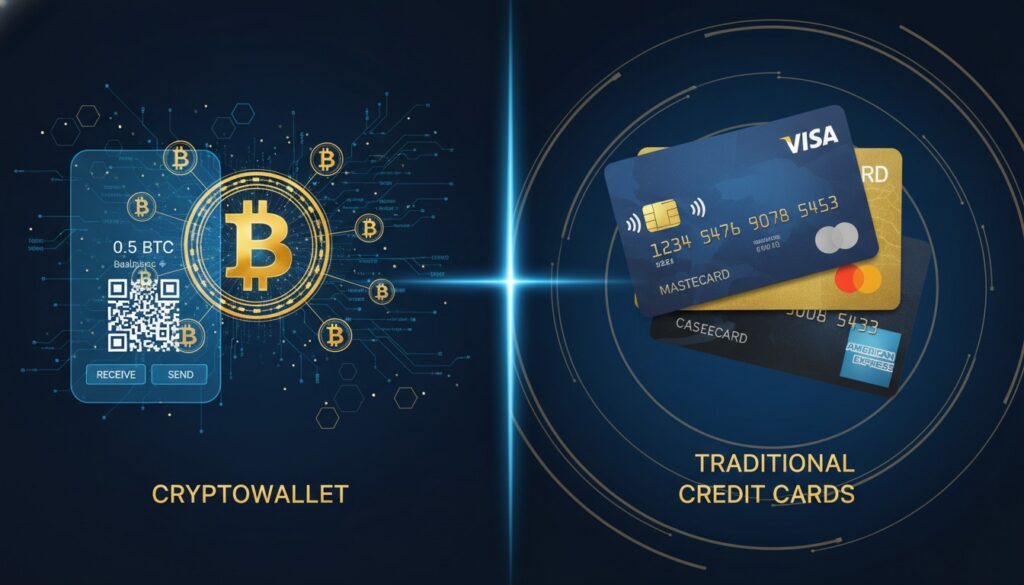
Crypto Gift Cards vs Traditional Payment Methods: Which is Better?
Introduction
The digital payment landscape is evolving rapidly, and consumers now have more choices than ever when purchasing gift cards. While traditional payment methods like credit cards and bank transfers have dominated the market for decades, cryptocurrency payments are emerging as a compelling alternative. This comprehensive comparison will help you understand the key differences between crypto and traditional payment methods for gift card purchases, examining everything from transaction fees to privacy considerations.
As digital currencies gain mainstream adoption, many retailers and gift card platforms now accept Bitcoin, Ethereum, and other cryptocurrencies. But is paying with crypto actually better than using your trusty credit card? The answer depends on your priorities, technical comfort level, and specific use case.
Understanding Traditional Payment Methods
Credit and Debit Cards
Traditional payment methods have been the backbone of gift card purchases for years. Credit and debit cards offer several advantages that have made them the go-to choice for most consumers:
- Universal acceptance: Nearly every gift card retailer accepts major credit cards
- Consumer protection: Chargeback rights and fraud protection
- Reward programs: Cashback, points, and miles accumulation
- Familiar process: Simple, well-understood transaction flow
- Processing fees: Merchants pay 2-4% in credit card processing fees
- Personal data exposure: Transactions linked to your identity and financial history
- Geographic restrictions: International purchases may face limitations
- Processing delays: Settlements can take 1-3 business days
- Selecting crypto as your payment method
- Scanning a QR code or copying a wallet address
- Initiating the transfer from your crypto wallet
- Waiting for network confirmation (usually 10-60 minutes)
- Receiving your gift card once payment is verified
- Bitcoin (BTC): Most widely accepted but higher fees
- Ethereum (ETH): Smart contract capabilities, moderate fees
- Litecoin (LTC): Faster transactions, lower fees
- Bitcoin Cash (BCH): Lower fees than Bitcoin
- Stablecoins (USDC, USDT): Price stability without volatility
- Your personal information (name, address, phone)
- Purchase history and spending patterns
- Geographic location data
- Bank account or credit card details
- Pseudonymous transactions: Linked to wallet addresses, not personal identities
- No personal information required: Many platforms only need an email address
- Reduced data collection: Fewer intermediaries handling your information
- Cross-border anonymity: No geographic restrictions or identity verification
- Credit card authorization: Instant (2-5 seconds)
- Settlement: 1-3 business days
- International transfers: 3-5 business days
- Bitcoin: 10-60 minutes for confirmation
- Ethereum: 1-15 minutes
- Litecoin: 2-5 minutes
- Lightning Network (Bitcoin): Near-instant
- No technical knowledge required
- Instant purchase completion
- Easy refund and dispute processes
- Universal merchant acceptance
- Wallet setup and management
- Understanding transaction fees
- Monitoring confirmation times
- Managing private keys securely
- Credit card processing: 2.5-4%
- PayPal: 2.9% + $0.30
- International transactions: Additional 1-3%
- Foreign transaction fees: 1-3%
- Cash advance fees for credit cards: 3-5%
- Currency conversion: 2-4% markup
- Bitcoin: $1-50+ depending on network congestion
- Ethereum: $2-100+ (highly variable)
- Litecoin: $0.01-0.10
- Bitcoin Cash: $0.01-0.05
- Most crypto gift card platforms charge 0-3% additional fees
- Some offer discounts for crypto payments (2-10% off)
- Established fraud detection systems
- Consumer protection laws and chargeback rights
- FDIC insurance for bank deposits
- Regulated financial institutions
- Centralized points of failure
- Identity theft risks
- Data breaches affecting millions of users
- Merchant fraud and skimming attacks
- Cryptographic security and immutable transactions
- No single point of failure
- Personal control over funds
- Reduced identity theft risk
- Irreversible transactions (no chargebacks)
- User responsibility for wallet security
- Exchange and platform risks
- Potential for user error and fund loss
- Major retailers like Amazon, Apple, and Google accept crypto indirectly through gift card platforms
- Lightning Network adoption is making Bitcoin payments faster and cheaper
- Stablecoins are addressing volatility concerns
- Central Bank Digital Currencies (CBDCs) may bridge traditional and crypto payment gaps
- Real-time payment systems reducing settlement times
- Enhanced security through biometric authentication
- Lower fees through competition and regulation
- Improved privacy features in response to crypto competition
- Simplicity and ease of use
- Consumer protection and dispute resolution
- Reward programs and cashback
- Instant transaction completion
- Universal merchant acceptance
- Enhanced privacy and reduced data sharing
- Lower fees on large purchases
- International accessibility
- Independence from traditional banking
- Supporting decentralized financial systems
- Use crypto for large, international, or privacy-sensitive purchases
- Stick with traditional methods for small, routine transactions
- Take advantage of crypto discounts when available
- Maintain both payment options for maximum flexibility
Bank Transfers and Digital Wallets
Beyond cards, traditional methods include bank transfers, PayPal, Apple Pay, and Google Pay. These options offer varying degrees of convenience and security but generally share similar characteristics with card payments in terms of centralized processing and identity verification requirements.
“Traditional payment methods prioritize consumer protection and regulatory compliance, but often at the cost of privacy and transaction fees.”
The Rise of Cryptocurrency Gift Card Purchases
How Crypto Payments Work
Cryptocurrency payments for gift cards operate on blockchain networks, offering a fundamentally different approach to transactions. When you purchase a gift card with Bitcoin or other cryptocurrencies, the payment is processed through decentralized networks rather than traditional banking infrastructure.
The process typically involves:
Popular Cryptocurrencies for Gift Card Purchases
Several cryptocurrencies have gained traction for gift card transactions:
Detailed Comparison: Privacy and Anonymity
Traditional Payment Privacy
Traditional payment methods offer limited privacy. Every transaction creates a detailed paper trail that includes:
Cryptocurrency Privacy Advantages
Crypto payments offer enhanced privacy through:
Transaction Speed and Convenience Analysis
Speed Comparison
Transaction speed varies significantly between payment methods:
Traditional Methods:
Cryptocurrency:
Convenience Factors
Traditional payments excel in convenience for most users:
Crypto payments require more technical involvement:
Cost Analysis: Fees and Hidden Charges
Traditional Payment Costs
While consumers often don’t see direct fees, traditional payments involve several cost layers:
Merchant Fees (passed to consumers through pricing):
Consumer Fees:
Cryptocurrency Transaction Costs
Crypto fees are generally more transparent but can vary significantly:
Network Fees:
Platform Fees:
“Crypto payments can be significantly cheaper for large purchases, but small transactions may be more expensive due to fixed network fees.”
Security Considerations and Risk Assessment
Traditional Payment Security
Strengths:
Vulnerabilities:
Cryptocurrency Security
Strengths:
Vulnerabilities:
Real-World Use Cases and Scenarios
When Traditional Methods Are Better
Scenario 1: Small, frequent purchases
For buying $10-50 gift cards regularly, credit cards offer instant processing and reward points without high fixed fees.
Scenario 2: Disputed transactions
If you need consumer protection and dispute resolution, traditional payments provide established legal frameworks.
Scenario 3: Non-tech-savvy users
For users uncomfortable with cryptocurrency technology, traditional methods remain more accessible.
When Cryptocurrency Excels
Scenario 1: Large purchases
Buying gift cards worth $500+ with crypto can save significant money on processing fees.
Scenario 2: International purchases
Crypto eliminates currency conversion fees and geographic restrictions.
Scenario 3: Privacy-conscious users
For users prioritizing financial privacy, crypto offers superior anonymity.
Scenario 4: Unbanked populations
Crypto provides access to gift card purchases without traditional banking relationships.
Future Trends and Market Evolution
Growing Crypto Adoption
The cryptocurrency gift card market is expanding rapidly:
Traditional Payment Innovation
Traditional payment methods are also evolving:
Making the Right Choice for Your Needs
Decision Framework
Choose traditional payment methods if you prioritize:
Choose cryptocurrency payments if you value:
Hybrid Approach
Many savvy consumers adopt a hybrid strategy:
Conclusion
The choice between cryptocurrency and traditional payment methods for gift card purchases isn’t binary—each has distinct advantages depending on your specific needs and priorities. Traditional payment methods continue to excel in convenience, consumer protection, and universal acceptance, making them ideal for most everyday transactions.
Cryptocurrency payments offer compelling benefits for users who prioritize privacy, want to avoid high fees on large purchases, or need to make international transactions without geographic restrictions. As the technology matures and becomes more user-friendly, crypto payments will likely capture a larger share of the gift card market.
The future likely holds a coexistence model where both payment types serve different use cases. Smart consumers will maintain access to both options, choosing the most appropriate method based on transaction size, privacy needs, and personal preferences.
Ultimately, the “better” choice depends on your individual circumstances, technical comfort level, and what you value most in a payment experience. As both traditional and crypto payment systems continue to evolve, the gap between them may narrow, potentially leading to hybrid solutions that combine the best of both worlds.
Call-to-Action
Ready to explore crypto gift card purchases? Start by researching reputable platforms that accept cryptocurrency payments and offer the gift cards you need. Consider setting up a small test transaction to familiarize yourself with the process before making larger purchases. Remember to prioritize security by using reputable wallets and platforms, and never invest more in cryptocurrency than you can afford to lose.
Whether you choose traditional or crypto payment methods, stay informed about the latest developments in digital payments to make the most cost-effective and secure choices for your gift card purchases.